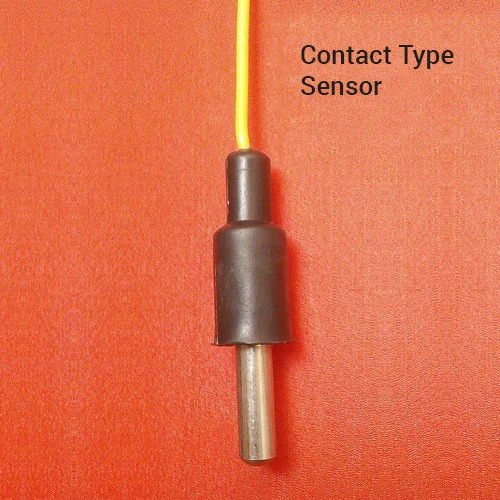
Contact Type Sensor About
Water Quality Sensors are electronic devices used to measure and monitor different physical, chemical, and biological parameters of water. They help determine whether water is safe for drinking, industrial use, agriculture, wastewater treatment, or environmental monitoring.
Comprehensive Application Versatility
Our Water Quality Sensors shine in a variety of site applications, including industrial water treatment plants, laboratories, and municipal water systems. Designed for inline use only, these sensors are tailored for precise water analysis, making them ideal for sectors where pH control is vital. Their compact, threaded design allows easy installation in tight spaces, further enhancing their applicability across a multitude of critical monitoring environments.
Global Supply Excellence and Premium Export Service
We proudly Charge a competitive but Premium for our water quality sensors, consistently delivering to major international markets. With robust supply ability, prompt Order Completion, and reliable FOB Port services, your procurement process is seamless and assured. Our commitment to customer satisfaction ensures every export undergoes meticulous quality control before leaving our facilities, maintaining a flawless reputation for timely, accurate delivery.
FAQ's of Water Quality Sensors:
Q: How do I install the inline pH water quality sensor?
A: To install the sensor, use the 3/4 NPT threaded process connection to securely mount it into your water analysis pipeline. Ensure that the sensor is connected to a 12 V DC power supply and the 3 m cable is properly routed for Modbus communication.
Q: What parameters does this water quality sensor measure?
A: This sensor is designed exclusively for measuring pH levels in water, with a measurement range from 2 to 12 pH, ensuring precise monitoring for water analysis needs.
Q: Where can the compact water quality sensor be used?
A: It is ideal for use in industrial, municipal, and laboratory settings requiring inline water analysis, especially where space is limited and accuracy is essential.
Q: What are the benefits of using a stainless steel probe body?
A: The stainless steel probe offers superior durability and corrosion resistance, ensuring flawless and reliable performance in various water analysis environments.
Q: How is the sensor output configured and integrated?
A: The sensor provides a Modbus output, making integration seamless with automation and monitoring systems for real-time data acquisition and control.





 Send Inquiry


 Send Inquiry